Keeping Your Home Safe and Efficient With Better Plumbing Solutions
A reliable plumbing system does more than deliver water when you turn on a tap. It protects your home from leaks, keeps wastewater moving in the right direction, and helps everyday tasks run smoothly. Most of us don’t think much about the pipes hidden behind walls or buried beneath the yard until something goes wrong. Then, suddenly, a strange smell, low water pressure, or an unexpected puddle becomes impossible to ignore.
The good news is that many plumbing problems can be managed with timely maintenance and the right professional support. Whether you’re dealing with hard water, an aging sewer connection, or a damaged supply pipe, understanding the available solutions can help you make better decisions and avoid unnecessary expenses.
Understanding the Importance of Water Quality
Water quality affects more than the taste of drinking water. Depending on its mineral content and the substances present in the supply, water can leave stains on fixtures, create deposits inside pipes, and affect the performance of household appliances.
Hard water is a common concern in many regions. It contains elevated levels of minerals, particularly calcium and magnesium. Over time, these minerals can form scale on showerheads, faucets, heating elements, and other surfaces that regularly come into contact with water. You might notice cloudy marks on glassware or find that soap doesn’t lather as easily as expected.
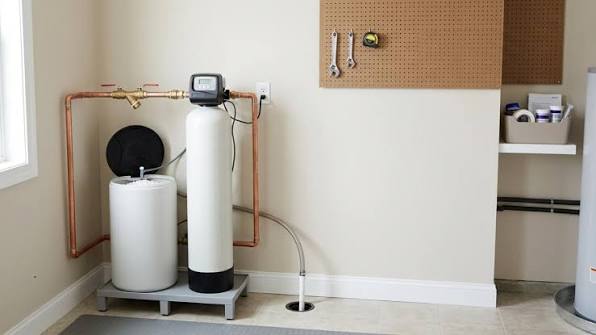
Installing suitable water softeners & filtration equipment can help address specific water quality concerns. A water softener typically reduces hardness by exchanging calcium and magnesium ions for other ions, while a filtration system targets particular impurities depending on its design and filter media.
These systems aren’t interchangeable, though. A softener doesn’t automatically remove every contaminant, and a standard filter may not significantly reduce water hardness. The best option depends on what’s actually present in the water.
A water test can provide useful information before you spend money on equipment. It can identify hardness levels and help determine whether additional testing for substances such as iron, nitrates, or other contaminants is appropriate. For private wells, testing recommendations may differ from those for a regulated municipal supply.
Once you understand the problem, you can select a system that addresses it without paying for features your household doesn’t need.
Recognizing the Warning Signs of Plumbing Trouble
Plumbing systems rarely fail without giving some indication that something is wrong. The challenge is noticing the early signs before they turn into costly repairs.
A sudden drop in water pressure may indicate a supply issue, a partially closed valve, a blockage, or a leak. If the problem affects only one faucet, the cause may be as simple as a clogged aerator. If several fixtures are affected, a broader inspection may be necessary.
Unexplained dampness is another warning sign. Water stains beneath a sink, bubbling paint, or a persistent musty smell could point to moisture trapped behind a wall or under flooring. Don’t dismiss these symptoms simply because the leak isn’t visible.
Pay attention to drainage as well. A single slow sink may have a local blockage, but several drains backing up together can indicate a problem farther along the drainage system. Gurgling sounds and unpleasant odors may provide additional clues.
Taking photographs, noting when the symptoms occur, and checking whether multiple fixtures are affected can help a plumber diagnose the issue more efficiently.
Why Sewer and Gas Lines Need Professional Attention
Some plumbing work is more complicated than replacing a faucet washer or clearing a small drain blockage. Sewer and gas lines require particular care because mistakes can create serious health, safety, and property risks.
Sewer lines carry wastewater away from the property. When a pipe cracks, collapses, or becomes obstructed by roots and accumulated debris, wastewater may drain slowly or back up into the home. In some cases, damaged underground lines can also allow soil to enter the pipe or wastewater to escape into the surrounding ground.
Modern diagnostic tools, including sewer cameras, allow technicians to inspect the inside of a pipe and identify the location and nature of a problem. This can help determine whether cleaning, localized repairs, or a more extensive replacement is appropriate.
Professional sewer & gas line services are equally important when a property has aging connections, recurring drainage problems, or suspected damage to gas piping. Gas lines must be installed, inspected, and repaired according to applicable safety requirements by appropriately qualified professionals.
If you smell gas, leave the affected area, avoid operating electrical switches or creating flames, and contact your gas utility or emergency services from a safe location. Don’t attempt to locate or repair the leak yourself.
For sewer problems, prompt attention can limit property damage and reduce the risk of exposure to contaminated water. Waiting until a backup reaches the bathroom floor usually makes the situation more difficult and expensive to resolve.
Waterline Repair or Replacement: How to Make the Right Choice
The main waterline supplies fresh water to your property. Although it usually remains out of sight, its condition has a direct impact on water pressure, reliability, and the possibility of leaks.
Older pipes may deteriorate because of corrosion, shifting soil, tree root activity, freezing temperatures, or the natural aging of certain materials. Signs of trouble can include unexplained wet patches in the yard, recurring pressure changes, unusually high water bills, or water discoloration.
Not every damaged pipe needs complete replacement. A small, accessible leak may be repaired by replacing a damaged section or correcting a faulty connection. However, when a line has widespread corrosion, repeated failures, or extensive structural damage, replacement may provide better long-term value.
Professional waterline replacement & repair begins with identifying the source of the problem. Depending on the property, technicians may use pressure tests, visual inspections, leak detection equipment, or other diagnostic methods before recommending a solution.
The location of the pipe matters, too. A line running beneath a driveway or established garden can be more complicated to access than one in an open area. Some projects may allow trenchless installation techniques, although their suitability depends on the pipe’s condition, the soil, and the available access points.
Before approving major work, ask for a clear explanation of the findings, the proposed repair method, any restoration costs, and the expected disruption. Comparing these details helps you weigh the upfront expense against the likely reliability of the finished system.
Simple Maintenance Habits That Make a Difference
Professional inspections are valuable, but everyday habits also play a role in keeping plumbing systems in good condition.
Start by checking visible pipe connections beneath sinks and around washing machines. Look for corrosion, moisture, and loose fittings. Flexible appliance hoses should be inspected periodically and replaced when damaged or according to the manufacturer’s recommendations.
Keep grease, coffee grounds, and food scraps out of kitchen drains. Grease can cool inside pipes and collect other debris, eventually restricting water flow. In bathrooms, drain strainers help catch hair before it creates a stubborn blockage.
Know where the main water shutoff valve is located. If a supply line bursts while you’re away or asleep, being able to stop the flow quickly can prevent significant damage.
It’s also worth monitoring your water bill. A steady increase without a change in household usage may suggest a hidden leak or an inefficient fixture. Checking the toilet tank for silent leaks can be a useful starting point.
For homes with filtration or softening equipment, follow the manufacturer’s maintenance schedule. Filters need replacement at appropriate intervals, and softeners may require salt replenishment or servicing, depending on their design.
Choosing a Plumbing Professional You Can Trust
When a plumbing issue requires expert help, look beyond the first available quote. Check whether the contractor has the relevant license where required, carries appropriate insurance, and has experience with the specific type of work involved.
Ask what the inspection includes and whether the estimate covers materials, labor, permits, and restoration. A low initial price isn’t necessarily a bargain if important work is excluded or the underlying problem remains unresolved.
A good professional should explain the available options in plain language, answer reasonable questions, and avoid recommending expensive replacements without supporting evidence. Written estimates and clear warranty terms also make it easier to understand what you’re paying for.
A More Dependable Plumbing System Starts With Small Steps
A home’s plumbing system deserves attention long before an emergency develops. Understanding water quality, recognizing early warning signs, and maintaining essential pipes can help protect both your property and your budget.
Some issues can be addressed with simple maintenance, while others require specialized equipment and trained professionals. The key is knowing the difference and responding before a manageable problem grows into a major disruption.
Take time to assess your home’s plumbing needs, investigate unusual changes, and choose solutions based on evidence rather than guesswork. With thoughtful maintenance and reliable professional support, you can enjoy cleaner water, dependable drainage, and greater confidence in the systems that keep your household running every day.
Related Posts