
There’s a certain kind of comfort that only hot water can bring. It’s not something you think about every day—until it’s gone. A cold shower on a winter morning has a way of reminding you just how essential this quiet system really is. And suddenly, what used to feel like a background utility becomes the most important thing in your home.
Hot water isn’t just about convenience. It’s about routine, comfort, even a bit of sanity. Whether it’s that first cup of tea, washing dishes after a long day, or simply unwinding under a warm shower—these little moments add up.
Understanding What Happens Behind the Walls
Most people don’t give much thought to how water gets heated. You turn the tap, and there it is. Simple, right? Well… not exactly.
Behind the scenes, there’s a system working consistently to heat, store, and deliver water at the right temperature. And like any system, it needs care, attention, and sometimes replacement.
When it comes to water heater installation, it’s not just about plugging in a machine and calling it a day. There’s sizing to consider, energy efficiency, placement, ventilation—details that, if overlooked, can lead to higher bills or even safety risks. I’ve seen homes where the wrong size heater meant running out of hot water halfway through a shower. Not ideal.
A proper installation sets the tone for years of performance. Get it right, and you rarely think about it again. Get it wrong, and it becomes a recurring headache.
The Shift Toward Smarter Heating Options
Over the past few years, there’s been a noticeable shift in how people approach water heating. Traditional tank systems are still around, of course—they’re reliable, familiar, and relatively affordable. But newer technologies are slowly changing expectations.
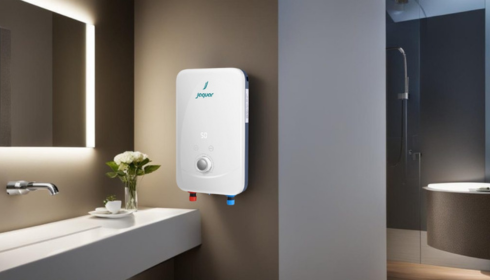
One of the most talked-about options today is tankless water heaters. And honestly, it’s easy to see why. Instead of storing hot water in a tank, these systems heat water on demand. That means no waiting for the tank to refill and reheat, and theoretically, no running out of hot water.
I remember a friend installing one in his home and joking that he could finally take a “never-ending shower.” While that might be an exaggeration, the convenience is real.
But here’s the thing—tankless systems aren’t for everyone. They require proper setup, sometimes electrical upgrades, and the initial cost can be higher. Still, for many households, the long-term efficiency and space-saving design make them worth considering.
Choosing What Works for Your Lifestyle
There’s no one-size-fits-all answer when it comes to water heating. A small family might do perfectly fine with a standard tank system, while a larger household could benefit from a more advanced setup.
It really comes down to usage patterns. How many people are in the home? Do multiple appliances run at the same time? Is energy efficiency a priority?
These questions matter more than most people think. Because the right system doesn’t just provide hot water—it does so consistently, without stress or surprise.
When Things Start to Go Wrong
If you’ve ever experienced inconsistent water temperature, strange noises from the heater, or rusty water coming from the tap, you already know—something’s off.
Water heaters rarely fail without warning. They give signs. Subtle at first, then harder to ignore. Maybe the water doesn’t get as hot as it used to. Maybe it runs out faster. Or maybe there’s a faint metallic smell that wasn’t there before.
Ignoring these signs is tempting. Life gets busy, and it’s easy to push small issues aside. But with water heaters, small problems tend to grow quietly until they demand attention—usually at the worst possible time.
Exploring Better Hot Water Experiences
Modern homes are starting to look at heating systems a bit differently—not just as utilities, but as part of a broader comfort strategy. That’s where the idea of hot water solutions comes into play.
It’s less about a single appliance and more about creating a system that works seamlessly with your lifestyle. Maybe that means integrating solar heating. Maybe it’s upgrading insulation to reduce heat loss. Or even combining different technologies for better efficiency.
It’s interesting, really. What used to be a basic necessity is now an area where people are making thoughtful, long-term decisions.
The Cost Factor (Because It Always Matters)
Let’s be honest—budget plays a role in every home decision. Water heating systems are no exception.
Initial costs can vary widely depending on the type of system, installation complexity, and any upgrades needed. But it’s important to look beyond the upfront price.
Energy efficiency, maintenance costs, and lifespan all factor into the bigger picture. Sometimes, spending a bit more initially can save money over time. Other times, a simpler solution works just fine.
It’s not about choosing the most expensive option—it’s about choosing the right one.
Maintenance: The Quiet Hero
Here’s something people don’t talk about enough—maintenance.
Even the best water heater won’t perform well if it’s neglected. Sediment buildup, worn-out components, or minor leaks can all affect efficiency and lifespan.
Regular flushing of the tank, checking pressure valves, and occasional professional inspections can make a big difference. It’s not glamorous work, but it’s worth it.
Think of it as a small investment in peace of mind.
A Final Thought on Everyday Comfort
Hot water is one of those things that quietly shapes your daily life. You don’t notice it when it’s there—but you definitely notice when it’s not.
And maybe that’s what makes it so important. It supports routines, adds comfort, and makes everyday tasks just a little easier.
So whether you’re installing a new system, upgrading an old one, or just trying to understand how it all works, it’s worth taking the time to get it right.
Because at the end of the day, comfort isn’t always about big, flashy upgrades. Sometimes, it’s as simple as turning on the tap and knowing exactly what to expect.