
There’s something oddly intimate about an air conditioner. It hums while you sleep. It works quietly during long Zoom calls. It rescues you in the middle of a sweltering July afternoon when stepping outside feels like walking into an oven. And yet, most of us don’t think about it until the day it stops working.
I’ve learned — sometimes the hard way — that your AC system isn’t just another appliance. It’s infrastructure. It’s comfort. It’s sanity. And like anything that runs almost every day for months at a time, it needs attention.
Let’s talk about what that actually means in real life, not just in a sales brochure.
The Truth About Preventative Care (That Most People Ignore)
We tend to treat air conditioners like they’re indestructible. Set the thermostat, forget about it, and hope for the best. But inside that metal box are coils, refrigerant lines, electrical components, filters, and moving parts that all wear down gradually.
That’s where a maintenance plan quietly saves the day.
Not in a dramatic, heroic way. More like in a “nothing bad happened this summer” kind of way. And honestly, that’s the best outcome you can hope for.
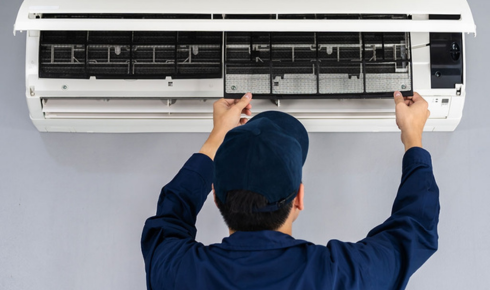
Routine servicing usually includes cleaning coils, checking refrigerant levels, tightening electrical connections, inspecting the blower motor, and replacing filters. These aren’t flashy tasks. But they prevent airflow restrictions, overheating, and compressor damage — which are the real budget killers.
Think of it like servicing your car. You wouldn’t skip oil changes for three years and then act surprised when the engine fails. Yet that’s exactly how many homeowners treat their cooling systems.
The irony? Regular maintenance typically costs far less than a single emergency repair visit.
The Subtle Signs Something’s Not Right
Air conditioners rarely die without warning. They whisper before they scream.
Maybe the airflow feels weaker than usual. Maybe certain rooms are warmer. Maybe the unit cycles on and off more frequently. Sometimes it’s just a strange smell or a rattling noise you can’t quite place.
These are the moments when you might start thinking you need ac repair, even if the system is technically still running.
Ignoring those early symptoms is tempting. After all, it’s still blowing cold air… sort of. But small issues compound quickly. A clogged filter can strain the blower motor. Low refrigerant can overwork the compressor. Loose wiring can become a safety hazard.
A good technician doesn’t just “fix the problem.” They diagnose why it happened in the first place. And that difference matters.
When Repair Isn’t Enough Anymore
There comes a point — usually around the 10 to 15 year mark — when patching things up starts to feel like pouring money into a leaky bucket.
Older systems lose efficiency. Parts become harder to find. Energy bills creep higher even though the house doesn’t feel any cooler. That’s when homeowners begin considering ac installation instead of another round of repairs.
Replacing a system isn’t just about getting cold air again. It’s about upgrading to modern efficiency standards. Today’s units use significantly less energy for the same output. They cool more evenly. They’re quieter. Some even integrate with smart home systems to optimize temperature automatically.
But installation isn’t a one-size-fits-all situation. Proper sizing matters. Oversized units cycle too quickly and don’t remove humidity effectively. Undersized units run constantly and wear out faster. A professional load calculation — not guesswork — makes all the difference.
It’s a big investment, yes. But sometimes it’s the smarter long-term move.
The Energy Efficiency Conversation We Should Be Having
We talk a lot about comfort. We don’t talk enough about operating costs.
An inefficient AC unit doesn’t just struggle to cool your home. It drains your wallet month after month. Even a slight improvement in SEER (Seasonal Energy Efficiency Ratio) rating can translate to noticeable savings over time.
Better insulation, clean ductwork, properly sealed windows — these things support your air conditioner’s performance. Cooling isn’t just about the unit itself. It’s about the entire system working together.
It’s kind of like fitness. You can’t just buy good shoes and expect to run a marathon. Everything else has to support the goal.
Why Professional Service Actually Matters
I get it. YouTube makes everything look DIY-friendly.
But HVAC systems combine electricity, pressurized refrigerant, airflow dynamics, and mechanical components. A mistake isn’t just inconvenient — it can be dangerous or expensive.
Licensed technicians undergo training to handle refrigerants safely, diagnose electrical issues correctly, and ensure installations meet local codes. They also have access to tools most homeowners simply don’t.
More importantly, experienced professionals notice things you wouldn’t think to check. A minor vibration today could be a failing motor mount tomorrow.
There’s value in that foresight.
The Comfort Factor Is Bigger Than You Think
Air conditioning affects sleep quality. It affects productivity. It affects mood. Ever tried working in a room that’s five degrees too warm? It’s subtle, but it drains you.
Humidity control also plays a major role. Modern systems regulate moisture better, reducing that sticky feeling even when temperatures are moderate. This isn’t just about comfort — it can help protect wood flooring, electronics, and even indoor air quality.
And let’s be honest: walking into a cool house after a long, hot day feels like a small luxury we rarely appreciate until it’s gone.
Making Smarter Decisions Before There’s an Emergency
The worst time to make HVAC decisions is during a heatwave. When the house is already 85 degrees inside and everyone’s cranky, urgency takes over logic.
Planning ahead changes that dynamic.
Scheduling seasonal tune-ups, budgeting for eventual replacement, and understanding your system’s lifespan puts you in control. It transforms a stressful breakdown into a manageable upgrade.
That peace of mind? It’s underrated.
Final Thoughts: Don’t Wait for the Silence
Most people only think about their air conditioner when it stops humming. When the silence sets in. When the house starts warming up by the minute.
But the smarter approach is quieter. Less dramatic. More proactive.
Whether it’s enrolling in routine service, addressing small warning signs early, or preparing for a future system upgrade, the goal is simple: consistent comfort without chaos.
Your air conditioner works hard for you. Maybe it deserves a little attention before it demands it.
Because when it comes to staying cool, prevention is always easier than panic.