When Stone Meets Style: Thoughtful Ideas for a Beautiful Bathroom and Home
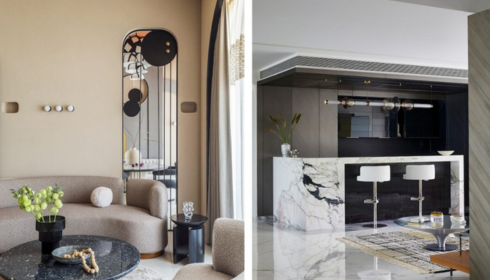
There’s something about natural stone that just feels right in a home. Maybe it’s the texture, maybe it’s the quiet elegance, or maybe it’s the way it seems to age gracefully without losing its charm. Either way, stone has long been a favorite material in interior design, especially in bathrooms where comfort and aesthetics go hand in hand.
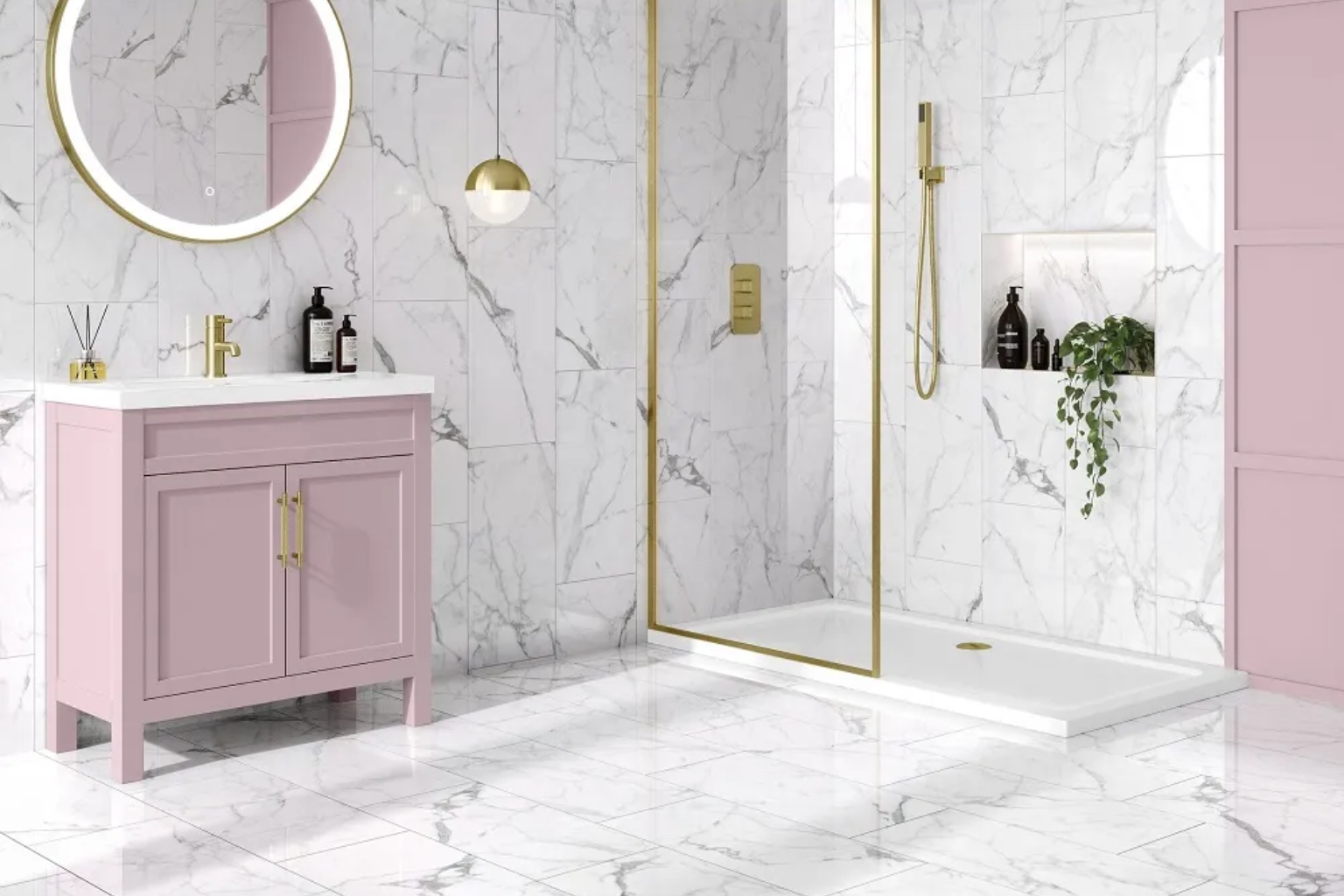
If you’ve ever stepped into a bathroom finished with marble or slate, you probably felt it instantly — that calm, almost spa-like vibe. Natural stone doesn’t just decorate a space; it gives it character. And when chosen thoughtfully, it can transform an ordinary bathroom or living space into something that feels carefully designed rather than simply built.
Let’s talk about a few creative ways homeowners are using stone and marble tiles to create warm, stylish spaces.
The Quiet Luxury of Natural Stone Bathrooms
Bathrooms are no longer just functional rooms tucked away in a house. Today, they’re personal retreats — places where people start and end their day. That shift has made materials like stone tiles increasingly popular.
Many homeowners exploring natural stone tile bathroom ideas begin with a simple goal: create a space that feels calm and timeless. Stone tiles, whether travertine, slate, or limestone, bring subtle texture that ceramic tiles often can’t replicate.
Imagine stepping onto a slate floor on a cool morning. The surface isn’t perfectly uniform — that’s the charm. Each tile carries its own tiny patterns and variations, which makes the room feel organic rather than manufactured.
Another approach people love is combining stone with softer elements. For instance, pairing light limestone wall tiles with wooden vanities instantly softens the room and keeps it from feeling too cold or sterile. Some designers even mix matte stone tiles with brushed brass fixtures to add warmth and contrast.
The beauty of natural stone bathrooms lies in their imperfection. A small vein here, a color variation there — those details are what make the room feel real and lived-in.
Small Details That Transform a Space
Not every design decision has to be dramatic. Sometimes the smallest tile can make the biggest difference.
One trend that has quietly gained popularity is using mosaics as accent elements rather than full walls. A shower niche, a backsplash behind the sink, or even a narrow decorative strip along the wall can change the entire look of the room.
This is where marble mosaic tile ideas really shine. Tiny marble tiles arranged in geometric patterns or soft hexagonal shapes can create visual depth without overwhelming the space.
Picture a white marble mosaic running vertically through a shower wall. The rest of the room might remain simple — plain marble slabs or neutral stone — but that one textured detail adds interest.
Homeowners often experiment with shapes here:
- Herringbone mosaics for subtle movement
- Penny rounds for a playful texture
- Basket-weave patterns for a slightly classic feel
What’s nice about mosaics is that they allow creativity without commitment to a full tile wall. It’s a design trick that feels intentional yet relaxed.
Choosing Marble That Actually Works in Real Homes
Marble has always been associated with luxury, but choosing the right type matters more than people think. Not every marble tile works equally well in everyday homes.
When people search for the best marble tile for home, they’re usually balancing beauty with practicality. Marble can be stunning, but it also needs proper care and thoughtful placement.
For instance, Carrara marble is widely loved because of its soft grey veining and gentle color. It feels elegant without being flashy. Calacatta marble, on the other hand, has bolder veins and a more dramatic appearance, which works beautifully in statement areas like shower walls or feature floors.
Another thing many homeowners overlook is finish. Polished marble looks glamorous but can be slippery on floors, especially in bathrooms. Honed marble — which has a softer matte finish — often works better for flooring because it provides more grip and hides scratches more easily.
Designers often recommend mixing finishes too. A polished marble wall paired with a honed marble floor can create subtle contrast while maintaining a cohesive look.
And honestly, marble doesn’t always need to dominate the room. Sometimes a single marble vanity top or shower bench is enough to bring that sense of refinement without overwhelming the space.
Creating Spaces That Feel Personal
The most beautiful interiors rarely follow strict rules. Instead, they reflect the personality of the people who live there.
Some homeowners lean toward minimal stone palettes — soft beige travertine with clean lines and simple fixtures. Others mix textures more boldly: dark slate floors, bright marble counters, maybe even handmade tiles alongside them.
Stone materials invite experimentation because they naturally complement so many other elements — wood, glass, metal, even greenery.
A small plant on a marble countertop or a wooden stool next to a stone bathtub instantly softens the look and makes the space feel more human. It’s those lived-in details that turn a well-designed bathroom into a room people genuinely enjoy spending time in.
The Timeless Appeal of Stone
Trends in interior design come and go. Colors change, styles evolve, and what feels modern today might look dated in a decade.
But natural materials tend to age differently. Stone, marble, and other organic surfaces carry a kind of quiet permanence. They don’t scream for attention — they simply exist, gaining character over time.
That’s probably why so many homeowners continue returning to these materials when renovating bathrooms or designing new homes. Stone doesn’t just decorate a room. It grounds it.
And in a world where design trends move faster every year, that kind of timelessness feels pretty refreshing.
Related Posts