A More Reliable Water System Starts With the Right Choices
Water plays a quiet but essential role in everyday life. We use it to prepare meals, wash clothes, maintain gardens, clean outdoor spaces, and keep businesses running. Most of the time, we don’t think much about where it comes from or what makes it reliable. That changes quickly when the water tastes unusual, pressure drops without warning, or a pump stops working at the worst possible moment.
Fortunately, many common water problems can be prevented with careful planning and suitable equipment. Whether you’re improving a family home, managing a commercial property, or maintaining a large outdoor space, understanding the basics can help you make better decisions and avoid unnecessary expenses.
Clean Water Begins With Understanding Your Supply
Water quality isn’t identical everywhere. Some homes receive treated municipal water, while others depend on private wells or alternative sources. Even properties in the same neighbourhood can experience different issues because of plumbing materials, local geology, or the condition of their water supply.
Hard water is a common example. It contains elevated levels of minerals, particularly calcium and magnesium, which can leave deposits on taps, shower screens, and heating elements. Other supplies may contain sediment, unpleasant tastes, iron, or naturally occurring contaminants that require specific attention.
The first step isn’t necessarily buying a filter. It’s finding out what’s actually in the water. A suitable laboratory test or assessment by a qualified professional can identify concerns and help determine which treatment methods make sense.
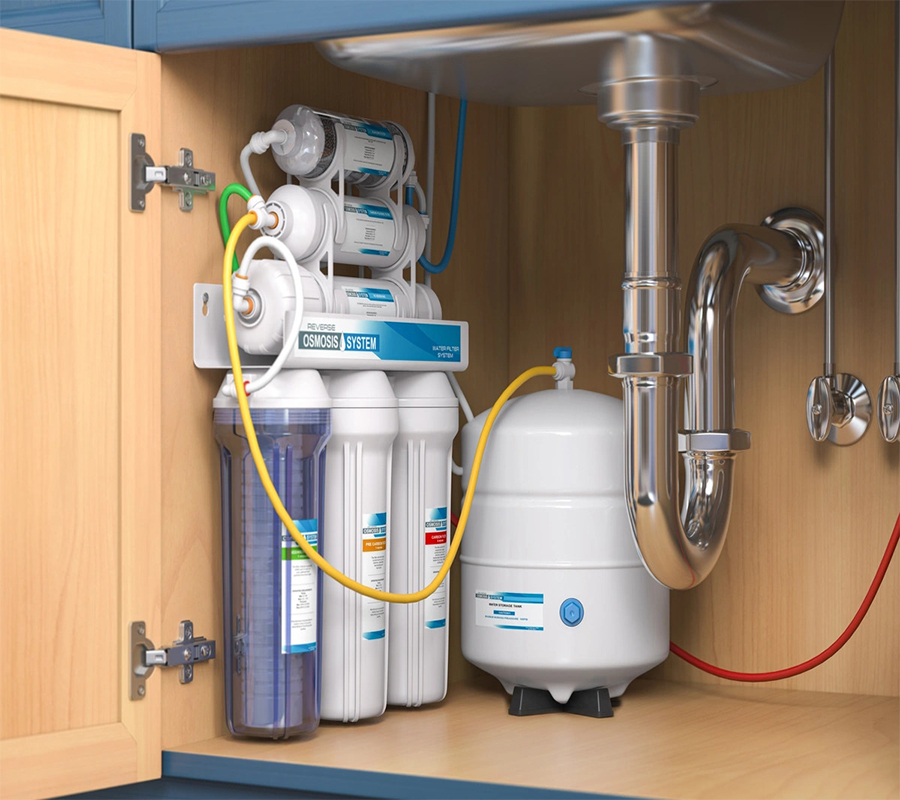
This approach saves money because different filters do different jobs. A sediment filter captures suspended particles, while activated carbon can improve taste and reduce certain chemicals. Reverse osmosis systems can reduce various dissolved substances when properly designed and maintained. No single system removes every possible contaminant under all conditions.
Choosing a Filtration System That Fits Your Home
For many households, water quality becomes noticeable in small everyday moments. Perhaps tap water has an unpleasant aftertaste, a kettle develops mineral deposits, or family members prefer bottled water because they don’t enjoy the taste of what’s coming from the kitchen tap.
Well-selected drinking water & filtration systems can address particular water quality concerns and make drinking water more convenient. Depending on the source and the test results, a household might benefit from an under-sink filter, a countertop unit, a reverse osmosis system, or a whole-house treatment arrangement.
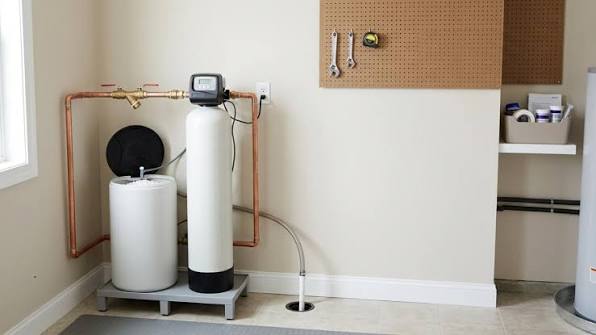
The difference between these options matters. A point-of-use system treats water at a particular tap, making it useful for drinking and cooking. A whole-house system treats water as it enters the property, which may be more appropriate when the concern affects showers, laundry, plumbing, or several appliances.
However, treating every tap isn’t always necessary. If the main issue is the taste of drinking water, a properly selected kitchen filter may be enough. If testing identifies a concern throughout the supply, a broader solution could be more appropriate.
Remember that filters need regular replacement. An overdue cartridge may perform poorly, restrict water flow, or become a maintenance concern. Check the manufacturer’s replacement schedule and make sure the system is certified for the specific contaminants you want to reduce.
Why Water Pressure and Flow Matter
Clean water is only useful when it reaches the places where it’s needed. A shower that barely runs, a washing machine that fills slowly, or an irrigation system that struggles to operate can turn a simple household task into an ongoing annoyance.
Pressure problems have several possible causes. Partially closed valves, clogged filters, leaking pipes, undersized plumbing, and failing pressure regulators can all affect performance. In properties supplied by wells or storage tanks, the pump and pressure system deserve particular attention.
Before replacing equipment, identify the source of the problem. If pressure drops only when several taps are open, the system may not have enough capacity for simultaneous demand. If pressure fluctuates even when water use is low, a pressure tank, control switch, or pump fault may be involved.
A professional assessment can help distinguish between these possibilities. Replacing a pump without investigating the plumbing, for instance, may leave the original problem unresolved.
Selecting Pumps and Water Systems for Long-Term Use
A dependable water supply often relies on equipment that operates quietly in the background. Pumps move water from wells, underground storage, rainwater tanks, and other sources into buildings or distribution networks. Their performance affects water availability, energy use, and the reliability of the entire installation.
Well-designed pumps & water systems are selected according to the job they need to perform. Important factors include the required flow rate, pumping height, pipe resistance, water source, and expected periods of peak demand. A system serving a small home will have different requirements from one supplying a workshop, farm, or multi-storey building.
Bigger isn’t automatically better. An oversized pump may use unnecessary electricity, create excessive pressure, or switch on and off too frequently. An undersized unit, on the other hand, may struggle to meet demand and wear out prematurely.
Modern controls can make operation more consistent. Pressure sensors, automatic switches, and dry-run protection can help manage demand and protect equipment under certain fault conditions. The exact features required depend on the system design, and controls should be installed and configured correctly.
Maintenance is equally important. Keep the pump area accessible, watch for unusual vibration or noise, and investigate sudden changes in pressure or electricity consumption. Small warning signs are often easier and cheaper to address than a complete system failure.
Making Outdoor Spaces Work Better With Water
Water management doesn’t stop at the kitchen sink or utility room. Gardens, driveways, patios, swimming pools, and landscaped areas all depend on systems that can deliver water when needed and direct excess water safely away.
Practical outdoor water & property solutions may include garden irrigation, rainwater collection, drainage improvements, outdoor taps, pool circulation equipment, and water storage. The right combination depends on the size of the property, local climate, available water supply, and how the space is used.
For example, a garden with thirsty plants may benefit from drip irrigation, which delivers water near the roots and can reduce unnecessary losses when designed correctly. A property that experiences heavy seasonal rainfall may need improved gutters, clear drainage channels, or suitable rainwater storage.
Rainwater harvesting can be particularly useful where local conditions allow it. Water collected from appropriate roof surfaces may be used for gardening and certain outdoor cleaning tasks. The collection tank should be covered, kept clean, and fitted with suitable screens and overflow arrangements. Collected rainwater shouldn’t be assumed safe for drinking without appropriate treatment and testing.
Drainage deserves the same attention as supply. Water that repeatedly pools beside a foundation can contribute to dampness and structural problems over time. Check downpipes, maintain drains, and make sure runoff is directed safely rather than toward neighbouring properties.
Maintenance Makes a Real Difference
Even a well-designed system needs attention. Filters become clogged, pumps experience wear, valves develop leaks, and outdoor pipes can deteriorate after years of exposure to changing weather.
A simple maintenance routine can prevent many avoidable problems. Record filter replacement dates, inspect visible pipework, check for unexplained water bills, and arrange periodic servicing for equipment that requires professional care. If you use a private well, follow local recommendations for water testing and well maintenance.
It’s also worth keeping equipment manuals and installation records in one place. When something goes wrong, having the model number, service history, and previous test results makes troubleshooting easier.
Making a Confident Decision for Your Property
A reliable water system doesn’t have to be complicated, but it should be suited to the property’s real needs. Start by identifying the problem, test the water when quality is uncertain, and compare equipment based on performance, running costs, maintenance, and long-term support.
Ask installers to explain why they recommend a particular solution rather than simply offering the most expensive option. Good advice should include the limitations of the equipment, the maintenance it requires, and any local regulations that apply.
Ultimately, the best water system is one that works consistently without demanding constant attention. With sensible planning and regular care, clean water, dependable pressure, and well-managed outdoor spaces become everyday conveniences rather than problems waiting to happen.
Related Posts