
Most of us don’t think about water until something feels… off. Maybe it’s a faint metallic taste when you take a sip straight from the tap. Maybe your ice cubes look cloudy, or your coffee just doesn’t taste the way it used to. Sometimes it’s less obvious — dry skin that won’t cooperate, dishes that never quite sparkle, or a suspicion that your water could be better, even if it’s technically “safe.”
Water is one of those everyday essentials that hides in plain sight. It runs through our homes constantly, touching everything from our morning shower to the pasta pot on the stove. So when it’s not at its best, the impact is subtle but steady. And over time, those little annoyances start to add up.
That’s where better filtration — real, thoughtful filtration — changes the game.
What’s Really in Your Water?
Municipal water supplies are treated to meet safety standards, and that’s a good thing. But safe doesn’t always mean ideal. Chlorine is often added to disinfect. Minerals like calcium and magnesium can cause hardness. Depending on your area, there may be traces of sediment, dissolved solids, or even agricultural runoff.
If you rely on well water, the list of possibilities shifts — iron, sulfur, bacteria, and other naturally occurring elements can creep in. Some of these contaminants are harmless in small amounts. Others affect taste, smell, or long-term plumbing health.
The tricky part? You can’t see most of it.
That’s why so many homeowners turn to modern filtration technologies. Not because their water is undrinkable, but because they want it to be cleaner, clearer, and more consistent.
The Power of Reverse Osmosis
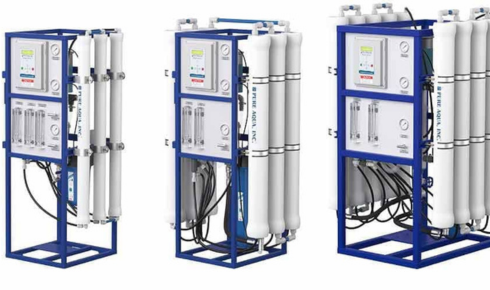
One of the most talked-about options in home filtration today is reverse osmosis systems. And despite the slightly intimidating name, the concept is pretty straightforward.
Reverse osmosis works by pushing water through a semi-permeable membrane that filters out a wide range of contaminants — including dissolved solids, certain heavy metals, and excess minerals. What you’re left with is water that tastes noticeably cleaner.
You often find these systems installed under the kitchen sink, providing purified drinking and cooking water at a dedicated tap. The difference can be surprising. Coffee tastes brighter. Tea doesn’t have that odd aftertaste. Even soups and sauces seem to benefit from the cleaner base.
Of course, no system is perfect. Reverse osmosis can remove beneficial minerals along with the unwanted ones, and it does produce some wastewater during the filtration process. But for many households, the trade-off is worth it. Especially if taste and purity are top priorities.
Beyond Basic Filters: Why Advanced Matters
Basic carbon filters can improve taste and reduce chlorine. That’s a solid start. But sometimes water challenges are more complex.
That’s where advanced filtration steps in. These systems combine multiple stages — sediment filters, carbon blocks, membranes, and sometimes UV purification — to tackle a broader range of contaminants.
Think of it as layering protection. Instead of relying on one method, you’re using a combination of technologies to address specific concerns. For example, sediment filters capture visible particles. Carbon reduces chlorine and odors. UV light can neutralize bacteria.
It’s not about overcomplicating things. It’s about tailoring the solution to the problem.
And here’s the thing — once you get used to better water, you really notice when it’s not there. Showers feel different. Glassware looks clearer. There’s a sense of consistency that’s hard to describe but easy to appreciate.
Start with the Facts: Test Before You Guess
Before investing in any system, the smartest move is understanding what’s actually in your water. Assumptions can lead to overspending or buying the wrong solution entirely.
Many local providers offer a free water test, and it’s usually more detailed than the simple strips you can buy at a hardware store. A professional test can measure hardness levels, chlorine content, total dissolved solids, and more.
Armed with that data, you’re not guessing anymore. You’re making an informed decision.
Maybe you discover your water is mostly fine but has elevated hardness. Maybe you learn there’s more sediment than expected. Or maybe it confirms your suspicion that a deeper filtration system would improve things.
It’s a small step, but it sets the tone for everything that follows.
The Everyday Impact You Didn’t Expect
It’s easy to frame water filtration as a technical upgrade. Membranes. Filters. Microns. But the real benefits show up in everyday life.
Imagine stepping into a shower that doesn’t leave your skin feeling tight. Or pouring a glass of water that tastes crisp without any chemical hint. Think about appliances lasting longer because they’re not fighting mineral buildup. Even laundry can feel softer and look brighter when water quality improves.
There’s also the environmental angle. When your tap water tastes good, you’re less likely to rely on bottled water. That means fewer plastic bottles and less waste — a small but meaningful shift.
And then there’s peace of mind. Knowing your family’s water is filtered and treated with care has a quiet reassurance to it. It’s not flashy. It doesn’t make headlines. But it matters.
Maintenance Without the Headache
One common hesitation? Maintenance. People worry that filtration systems are complicated or high-maintenance.
In reality, most modern systems are designed with simplicity in mind. Filters need replacing on a schedule — typically every few months to a year, depending on usage. Reverse osmosis membranes last longer. Some systems even include indicators that alert you when it’s time for service.
It’s not zero effort, but it’s manageable. And compared to the long-term cost of plumbing repairs or constant bottled water purchases, it’s often a practical trade.
A Small Change with Lasting Effects
Water flows through every corner of your home. Improving it doesn’t just solve one issue — it touches cooking, cleaning, bathing, and even how your home feels day to day.
Cleaner water isn’t about perfection. It’s about comfort, reliability, and a bit of pride in how your home functions. It’s the kind of upgrade that doesn’t demand attention but quietly improves everything around it.