Simple Ways to Maintain Better Water Quality at Home
Good water quality is something most people take for granted until a small problem becomes hard to ignore. Perhaps the shower leaves white mineral deposits on the glass, the kitchen tap produces water with an unusual taste, or household appliances seem to need cleaning more often than they should. These issues can be frustrating, especially when you’re not sure what’s causing them or how to fix them.
Fortunately, maintaining better water quality doesn’t always require a complicated setup. With the right information, suitable treatment equipment, and a little regular care, homeowners can address many common water concerns. The key is understanding what your water needs and choosing practical solutions that fit your household, budget, and daily routine.
Start With a Clear Picture of Your Water Quality
Before investing in filters or treatment equipment, take some time to understand the water entering your home. Water can contain naturally occurring minerals, sediment, and other substances that affect its taste, appearance, or suitability for particular uses. Some concerns are easy to spot, while others require proper testing.
Hard water, for example, contains elevated levels of calcium and magnesium. These minerals can leave deposits on faucets, reduce soap lather, and contribute to scale buildup in water heaters and appliances. Iron may cause reddish-brown staining, while certain substances can create unpleasant odors or tastes.
A simple free water test can be a useful starting point when offered by a water treatment provider. Depending on the service, testing may help identify hardness, iron, or other common water quality issues. However, it’s important to ask which parameters are included, because a basic screening isn’t the same as a comprehensive laboratory analysis.
If you’re concerned about bacteria, nitrate, lead, or other potentially harmful contaminants, use an appropriate test through a qualified laboratory or public health-recommended service. Private well owners should follow local testing guidance, even when their water looks and tastes normal.
The point is to avoid guessing. Once you understand the actual water conditions, you can focus on treatment options that address the problem instead of paying for equipment you may not need.
Why Water Softeners Need Consistent Care
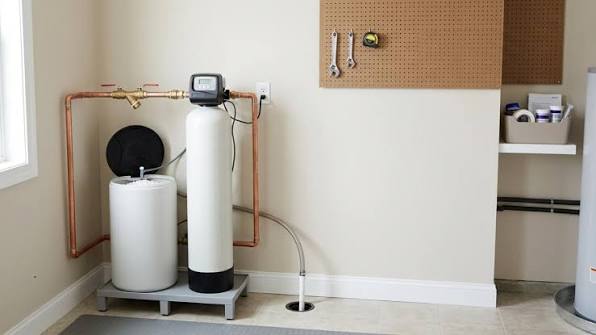
For households dealing with hard water, a water softener can make everyday chores easier. By reducing calcium and magnesium, a properly functioning softener can help limit scale buildup, improve soap performance, and reduce mineral deposits around sinks and showers.
Many conventional water softeners use a process called ion exchange. As water passes through a resin bed, hardness minerals are exchanged for sodium or potassium ions. Over time, the resin needs regeneration so the system can continue softening water effectively.
Salt-based systems typically use specialized softener salt during regeneration. Keeping the salt supply at an appropriate level is therefore an important part of routine maintenance. Running out of salt may allow hard water to pass through untreated, bringing back the very problems the system was installed to prevent.
Reliable salt delivery can be particularly convenient for busy households, older homeowners, or anyone who prefers not to carry heavy bags from a store. Some providers offer scheduled deliveries, helping customers keep the softener supplied without making repeated trips.
Still, salt isn’t the only thing to monitor. Check the brine tank periodically, follow the manufacturer’s instructions, and arrange servicing if the system stops softening water properly. If mineral deposits suddenly return, the cause could be an empty salt tank, an incorrect setting, a mechanical problem, or a change in the incoming water.
Improving the Taste of Drinking Water
Even when household water meets applicable safety standards, its taste may not appeal to everyone. Chlorine used in municipal disinfection, naturally occurring minerals, and plumbing conditions can all influence how water tastes or smells. The right treatment depends on the cause.
Activated carbon filters are commonly used to improve taste and odor by reducing certain substances, including chlorine in many applications. These filters are available in pitchers, faucet-mounted devices, refrigerator systems, and under-sink units. Their effectiveness depends on the specific product and the contaminants it is designed to reduce.
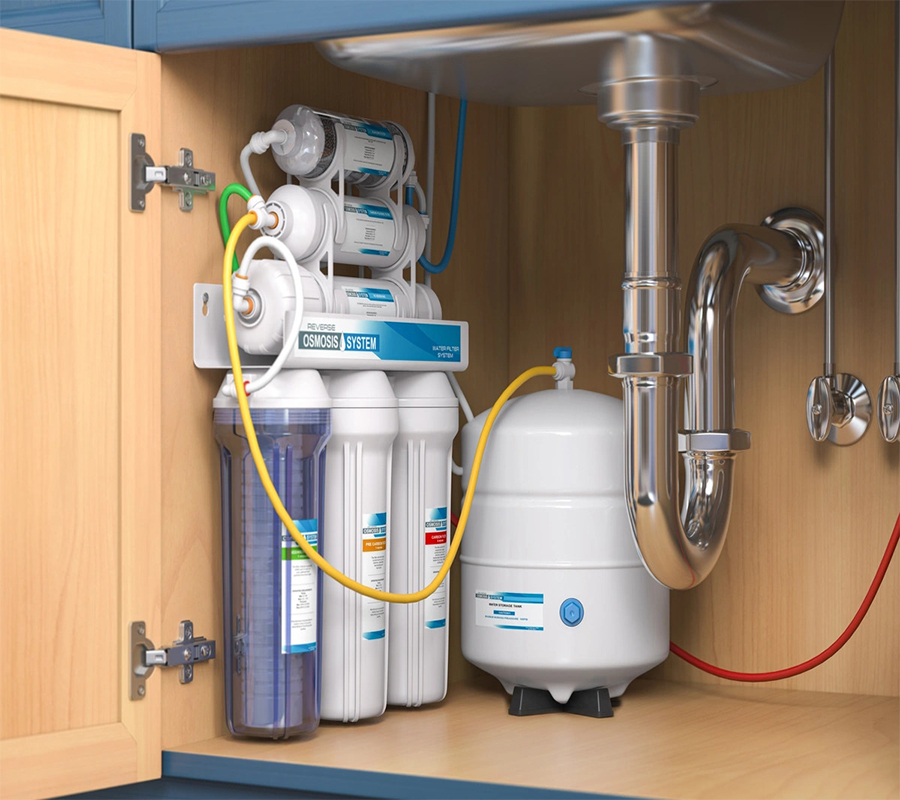
For households looking for a more advanced option, reverse osmosis drinking water systems may be worth considering. These systems push water through a semipermeable membrane that reduces many dissolved substances. Depending on the model and its certification, a system may also include prefilters and a postfilter to improve overall performance.
Reverse osmosis isn’t necessary for every household, though. It can cost more than a basic carbon filter, produces wastewater during operation, and requires periodic filter and membrane replacement. Some systems also remove minerals that contribute to water’s taste. If these details matter to you, compare product specifications before making a decision.
Most importantly, select equipment based on the water quality concern you’re trying to address. Check the manufacturer’s performance claims and look for independent certification relevant to the specific reduction you need. A filter should be chosen for what it demonstrably does, not simply because its packaging makes broad promises.
Don’t Overlook Installation and System Sizing
Choosing suitable equipment is only part of the process. Installation also influences performance, reliability, and maintenance requirements.
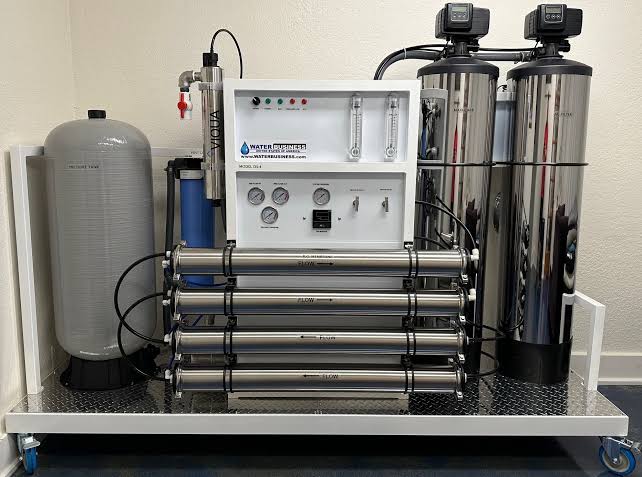
A whole-house system may need to be connected to the main water line, with sufficient space for servicing and, where required, access to a drain or electrical outlet. An under-sink drinking water filter has different requirements, including adequate cabinet space and suitable connections to the kitchen plumbing.
System sizing matters, too. A unit that’s too small may struggle when several taps or appliances operate at once. A system that’s larger or more complicated than necessary may increase upfront costs without providing meaningful additional benefits.
Before installation, consider your household’s typical water consumption, the number of people living in the home, and the water quality results. A qualified installer can help determine whether a single treatment method is sufficient or whether several stages are appropriate.
Ask for a demonstration after installation. You should understand how to operate the equipment, recognize basic warning signs, and know when replacement filters or professional service are needed.
Maintenance Helps Protect Your Investment
Even a good water treatment system won’t work indefinitely without attention. Filters can become clogged, membranes gradually lose performance, and valves or seals may wear over time. Ignoring maintenance can reduce efficiency and, in some cases, allow the original water quality problem to return.
Create a simple maintenance schedule based on the manufacturer’s instructions. Record filter changes, service visits, and any unusual changes in water pressure, taste, or appearance. If the system includes a digital indicator, remember that it may estimate filter life based on usage rather than directly measuring water quality.
It’s also wise to retest water when appropriate, especially if you use a private well or have experienced flooding, plumbing changes, or a noticeable change in the water supply. Treatment equipment reduces only the contaminants it is designed and maintained to address. It doesn’t replace routine water safety checks.
If a system starts leaking, makes unusual noises, or stops working as expected, avoid dismantling unfamiliar components yourself. Shut off the water supply when necessary to prevent damage and contact a qualified technician if the issue requires professional attention.
Choosing a Provider You Can Trust
Water treatment providers offer different products, service packages, and maintenance plans, so comparing options is worthwhile. Look for a company that explains test results clearly, discusses both benefits and limitations, and recommends equipment based on your actual needs.
Ask about installation costs, replacement parts, warranties, service availability, and the expected cost of maintaining the system over several years. A lower purchase price may not represent the best long-term value if replacement components are expensive or difficult to find.
Be cautious of anyone who claims that all tap water is dangerous or insists you must buy equipment immediately. A responsible provider should help you understand the evidence, explain available choices, and give you time to make an informed decision.
Making Better Water Part of Everyday Life
Better water quality usually comes from a series of sensible decisions rather than one dramatic change. Start by understanding what’s in your water, choose treatment designed for the concerns you’ve identified, and keep the equipment in good working condition.
Whether you’re managing hard water, improving drinking water taste, or simply trying to reduce the hassle of household maintenance, a thoughtful approach can save time and prevent unnecessary spending. You don’t need the most expensive system on the market. You need one that fits your home and does its job reliably.
With accurate testing, suitable equipment, and consistent care, water treatment becomes less of a chore and more of a quiet improvement to everyday life. And that’s often the best kind of home improvement: one you appreciate every day without having to think about it too much.
Related Posts