A Closer Look at Your Water: Why Testing Matters Before Choosing a Treatment
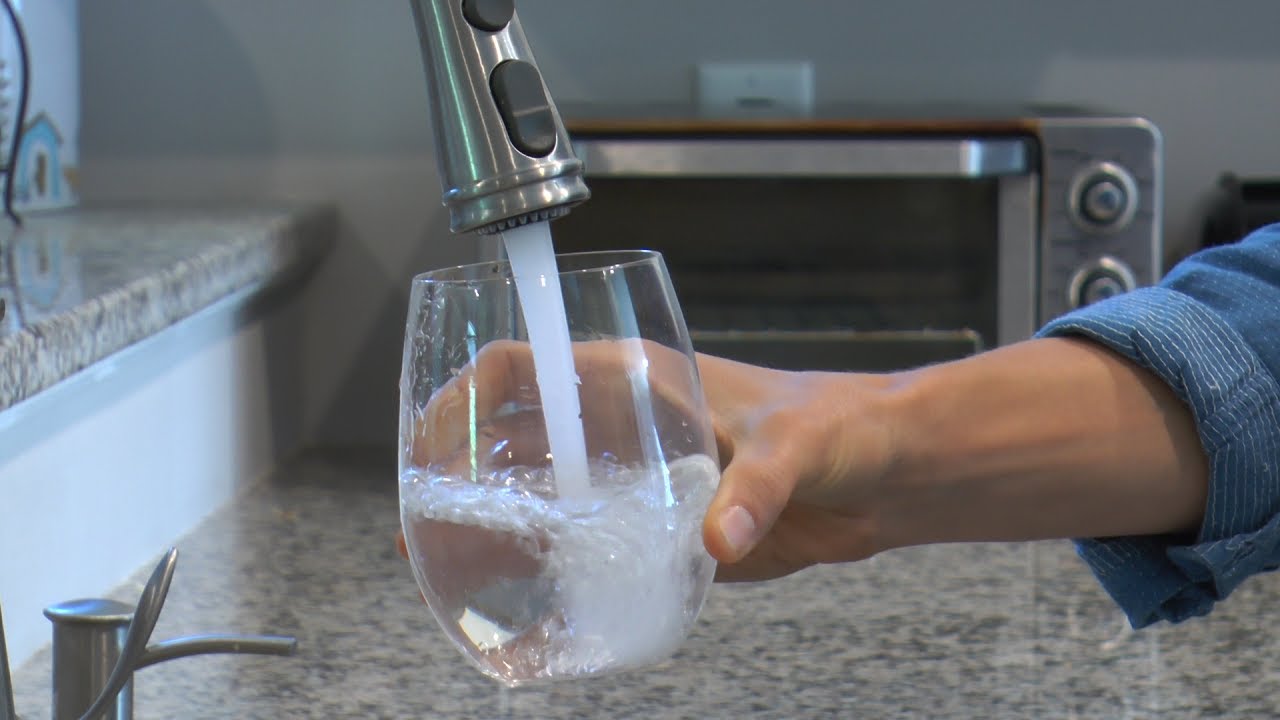
Water is something most of us take for granted. We turn on the kitchen tap, fill a glass, wash vegetables, take a shower, and get on with the day. It rarely crosses our minds unless something seems off. Maybe the water tastes a little metallic, soap doesn’t rinse properly, or white marks keep appearing on bathroom fixtures. Sometimes, though, there are no visible signs at all.
The truth is, water quality can vary more than homeowners realize. Minerals, sediment, disinfectants, and other substances may affect its taste, odor, and overall characteristics. Instead of guessing what’s wrong or purchasing a filtration system based on an advertisement, understanding the water itself is a much smarter first move.
Why Testing Your Water Is Worth the Time
Every home has different water conditions. The source, surrounding environment, plumbing materials, and treatment methods can all influence what comes out of the tap. A family dealing with hard water may struggle with scale buildup, while another household might be concerned about chlorine taste or sediment.
A free in-home water testing service gives homeowners an opportunity to explore these concerns with someone who understands water treatment. Depending on the service offered, testing may identify certain common water characteristics and help explain why particular problems are occurring.
It’s also an opportunity to ask questions. Why does the shower leave skin feeling dry? Why does the washing machine seem to use more detergent? Why are there stains around sinks? Sometimes the explanation is simpler than expected, but without testing, it’s difficult to know where to begin.
Looking Beyond What the Eyes Can See
Clear water isn’t necessarily water without concerns. Some substances are dissolved and cannot be detected by looking at a glass of water. Others may be present at levels that require specialized testing. That’s why a visual inspection alone isn’t enough to make a reliable assessment.
When homeowners want more detailed information, third-party lab water testing may provide additional insight into specific water quality parameters. Independent laboratory analysis can be useful when investigating particular contaminants, validating preliminary results, or evaluating water from a private well.
Laboratory testing isn’t a one-size-fits-all process. Different tests measure different things, and the right selection depends on the water source and the questions being asked. If you’re concerned about bacteria, heavy metals, nitrates, or other specific substances, it’s important to confirm that the test actually covers them.
A good testing provider should explain the scope of the analysis, how samples are collected, and what the results mean in practical terms. There’s no point receiving a technical report if you can’t understand what to do with it afterward.
Well Water and Municipal Water Have Different Challenges
Water source can make a considerable difference when deciding what to test. Homes using private wells depend on local groundwater conditions, which may change over time. Natural minerals, agricultural activity, nearby septic systems, and environmental factors can all influence well water quality.
Municipal water supplies, meanwhile, are generally treated and monitored before distribution. That doesn’t mean homeowners will never experience problems. Plumbing conditions, mineral content, disinfectant taste, and sediment can still affect water inside a property.
A thorough well water & city water analysis helps identify the differences and provides a more useful starting point for choosing treatment. Rather than assuming every home needs the same filtration system, the evaluation should consider the source, household usage, and actual water quality findings.
For well owners, regular testing is particularly important because private wells aren’t monitored by municipal water utilities. For city water users, testing can help investigate specific concerns or understand whether additional filtration would be beneficial.
Finding the Right Treatment Without Overspending
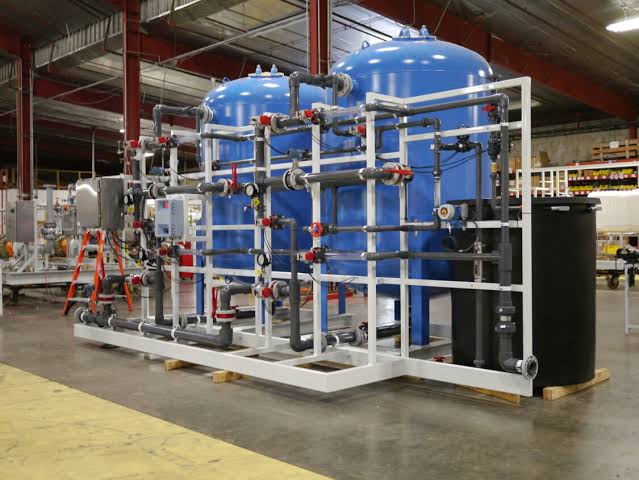
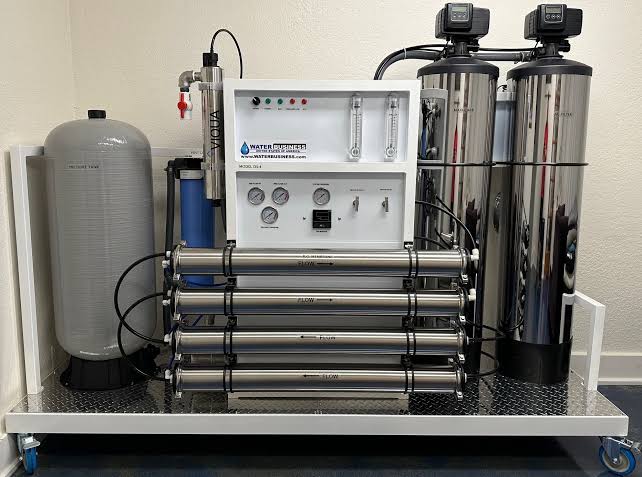
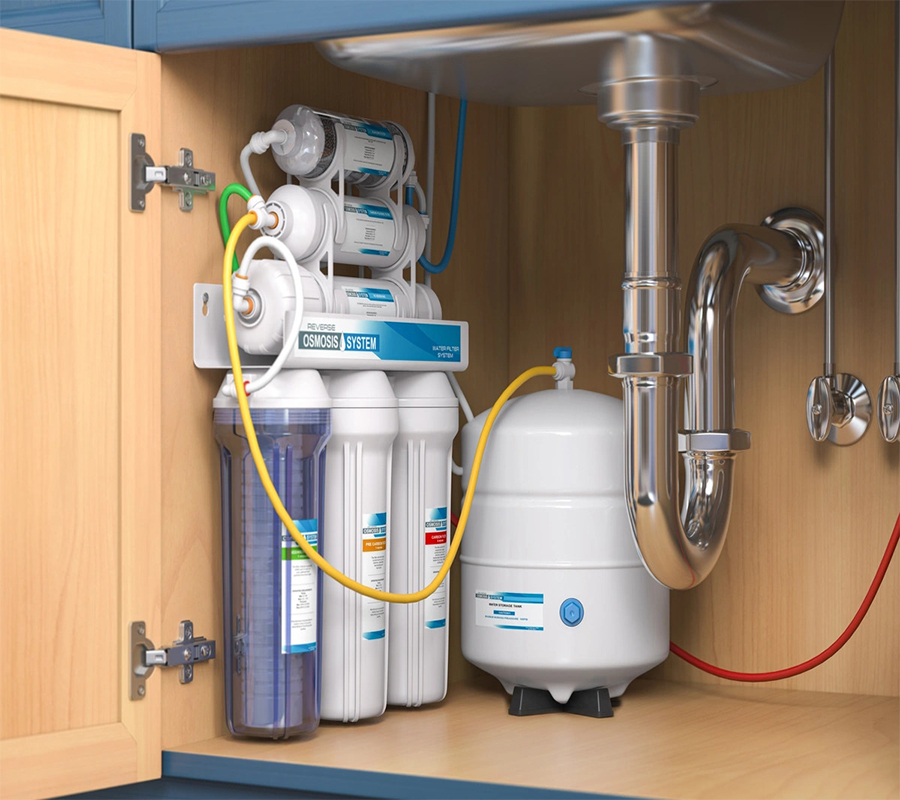
Once the results are available, choosing a treatment system becomes less confusing. Water softeners are designed to address hardness, while carbon filters may reduce certain tastes and odors. Reverse osmosis systems can help reduce a range of dissolved substances when appropriately selected, and whole-house filtration may be suitable for broader household needs.
Not every home requires multiple systems or complicated equipment. Sometimes a simple solution addresses the problem effectively. In other situations, a combination of technologies may be necessary.
Homeowners should consider installation costs, filter replacement schedules, maintenance requirements, warranties, and long-term operating expenses before making a decision. A system should fit the home and its water conditions, not just look impressive in a sales presentation.
Better Water Starts With Better Information
Water testing is ultimately about making informed choices. It gives homeowners a chance to understand what they’re dealing with instead of relying on assumptions, internet advice, or temporary fixes that don’t address the underlying problem.
Whether you’re noticing mineral deposits, unusual odors, or simply want to know more about the water your family uses every day, taking the time to investigate is worthwhile. Good water treatment begins with accurate information, honest recommendations, and solutions that make sense for your household.
Sometimes the best improvement you can make isn’t installing a new system right away. It’s learning what’s actually in your water, asking the right questions, and making the next decision with confidence.
Related Posts