
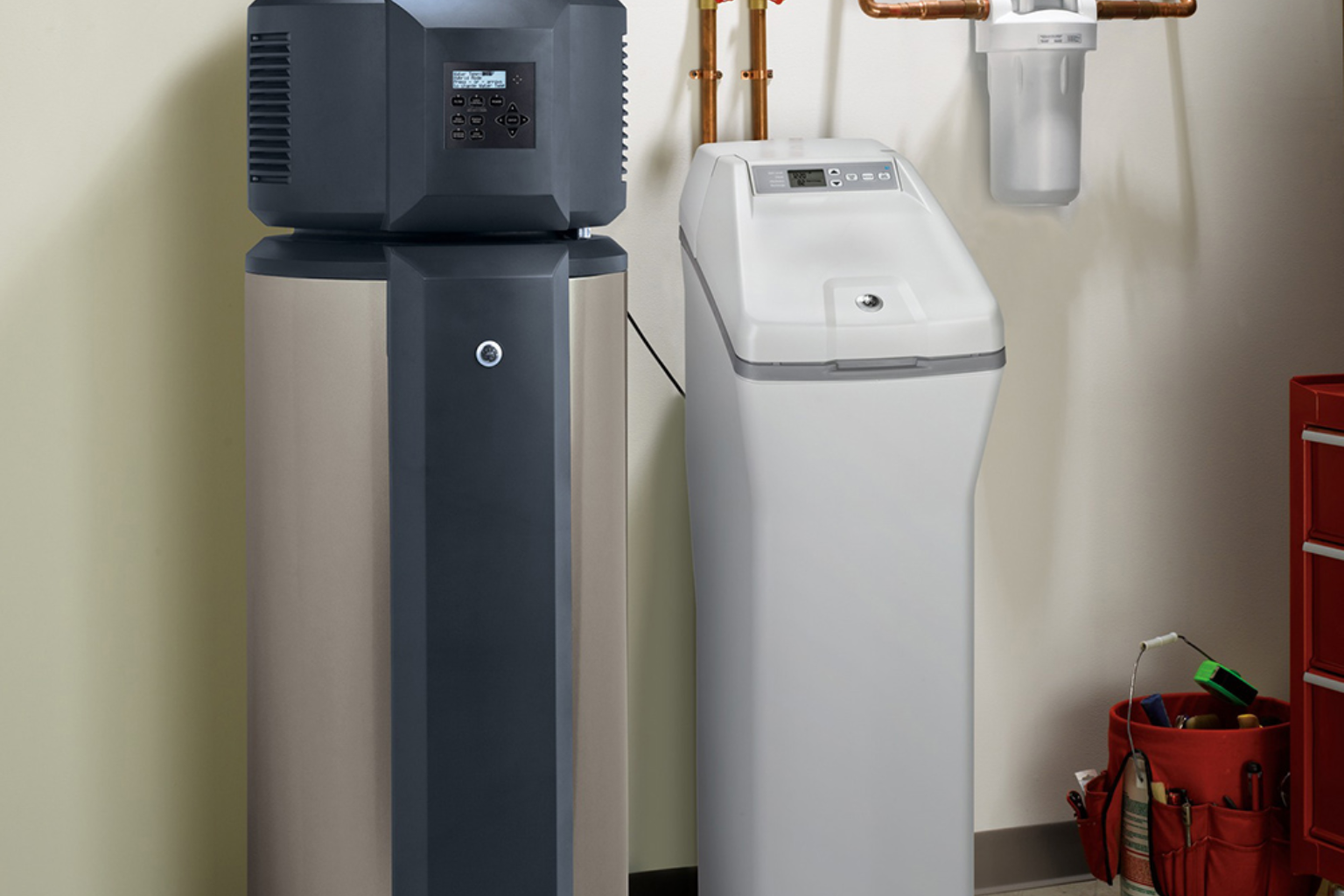
Most of us don’t question our water until it gives us a reason to.
Maybe it’s the white spots on your shower door that won’t budge no matter how much elbow grease you apply. Maybe it’s a faint taste in your tap water that makes you hesitate before refilling your glass. Or maybe it’s the realization that your water heater isn’t lasting as long as it should.
Whatever the trigger, once you start paying attention to your water, it’s hard to ignore.
And that’s not necessarily a bad thing.
Looking at the Big Picture
When homeowners begin exploring solutions, they often focus on one specific issue — hardness, chlorine taste, sediment. But water flows through your entire home. It touches every faucet, every appliance, every showerhead.
That’s why many people consider whole-house filtration as a comprehensive starting point.
Instead of treating water at a single sink, a whole-house system filters water as it enters your home. This means cleaner water for bathing, laundry, dishwashing, and drinking. Depending on the configuration, these systems can reduce sediment, chlorine, and certain contaminants before they ever reach your fixtures.
It’s not about perfection. It’s about consistency.
When the water throughout your home feels balanced and clean, everyday tasks feel easier. Towels rinse better. Skin feels less dry. Fixtures stay clearer. It’s subtle, but noticeable.
The Small Hassle That Adds Up
If you already have a water softener, you know the routine. Check the salt level. Haul heavy bags from the store. Pour them carefully into the brine tank without spilling.
It’s manageable. But it’s also one of those chores that never quite feels convenient.
That’s where a salt delivery service can make life surprisingly easier.
Instead of loading 40-pound bags into your car and dragging them through the garage, you schedule deliveries. Some providers even offer automatic refill plans based on your household’s usage patterns.
It’s not glamorous. It’s not groundbreaking technology.
But it removes friction from your routine. And sometimes, those small conveniences are the upgrades that actually stick.
Before You Buy, Know Your Water
One of the most overlooked steps in improving water quality is understanding what’s actually in your supply to begin with.
Many reputable companies offer a free water testing service. And honestly, it’s one of the smartest first moves you can make.
Testing reveals hardness levels, chlorine content, pH balance, and sometimes iron or other minerals. With real numbers in front of you, recommendations feel less like sales pitches and more like informed decisions.
You might discover that your hardness is mild and manageable. Or that chlorine levels are higher than you expected. Or that sediment is contributing to pressure fluctuations.
Testing grounds the conversation in reality.
Avoiding Overcomplication
The water treatment industry can feel crowded with options. Multi-stage filters, digital monitors, specialty cartridges. It’s easy to assume you need everything.
But often, the best solution is the simplest one that addresses your actual problem.
If hardness is damaging appliances, a softener may be enough. If taste and odor are concerns, carbon filtration could solve it. If sediment is the main issue, a pre-filter might do the trick.
Layering systems unnecessarily can increase maintenance and cost without meaningful benefit.
Start with data. Then build thoughtfully.
Maintenance Is Part of the Deal
No system, no matter how advanced, runs indefinitely without attention.
Filters need replacing. Softeners need salt. Valves may require inspection. Skipping maintenance doesn’t usually cause immediate failure — it causes gradual decline.
Water quality slips slowly. You might not notice at first.
That’s why many homeowners appreciate working with providers who offer scheduled maintenance reminders or service plans. It keeps everything running smoothly without constant vigilance.
A well-maintained system feels invisible. And that’s a good thing.
The Long-Term Benefits
Improving your home’s water isn’t just about comfort. It’s about longevity.
Scale buildup shortens the life of water heaters. Sediment can clog aerators. Chlorine exposure may contribute to wear on plumbing components over time.
By addressing these factors early, you’re protecting your home’s infrastructure.
There’s also a financial angle. Reduced bottled water purchases. Fewer appliance repairs. Lower cleaning product use when soap lathers properly.
Over years, the savings can quietly offset the initial investment.
The Emotional Side of Water
It might sound dramatic, but there’s peace in knowing your water is working for you instead of against you.
You turn on the tap without hesitation. You shower without worrying about residue. You cook with confidence.
Water becomes something you don’t think about — which, in many ways, is the ultimate goal.
Final Thoughts
Your home’s water system doesn’t need to be complicated to be effective.
Start with understanding your water through proper testing. Consider comprehensive solutions like whole-house filtration if they align with your needs. Simplify upkeep with services that reduce routine burdens.
And remember, improving water quality isn’t about chasing trends. It’s about creating a home environment that feels comfortable, reliable, and quietly supportive of your daily life.
Because when your water works the way it should, you hardly notice it at all — and that’s exactly how it’s meant to be.