
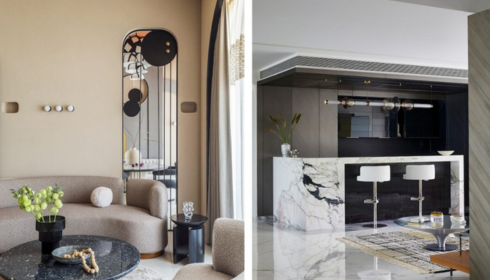
There’s a certain kind of silence you notice when you walk into a beautifully designed space. Not actual silence—but a calm, a balance. It’s the way light reflects softly, the way surfaces don’t shout for attention but still manage to hold it. And more often than not, marble plays a role in creating that feeling.
Not all marble, though. Some varieties feel heavy or overly dramatic. Others, somehow, strike that delicate middle ground—subtle but memorable. That’s where materials like crema marfil marble quietly step in.
A Material That Doesn’t Try Too Hard
One of the biggest challenges in interior design is knowing when to stop. Too many textures, too many colors, and suddenly the room feels cluttered—even if everything is technically “premium.”
Marble, especially in softer tones, solves that problem almost instinctively. It doesn’t need loud patterns or dramatic veining to stand out. Instead, it blends, complements, and elevates at the same time.
Designers often talk about “timelessness,” but that word gets thrown around a lot. With marble, you actually see it. Floors that were installed twenty years ago still look relevant today. Kitchen countertops that don’t scream for attention but still make you pause for a second longer than usual.
Why Neutral Tones Win in the Long Run
Trends change. That’s just how things work. One year it’s bold blacks and deep greens, the next it’s warm beiges and soft whites. Trying to keep up can be exhausting—and expensive.
Neutral marble tones offer a kind of safety net. They adapt. You can change your furniture, repaint walls, switch lighting styles, and somehow, the marble still fits in.
It’s not about playing it safe in a boring way. It’s more about creating a foundation that allows everything else to evolve.
In homes where people actually live—kids running around, furniture getting rearranged, seasons bringing subtle changes—this flexibility becomes incredibly valuable.
The Subtle Art of Light and Reflection
Here’s something people don’t always think about: how a material interacts with light. Marble has this gentle reflective quality. Not glossy like a mirror, not dull like concrete. Somewhere in between.
During the day, natural light softens its surface, giving the room an airy feel. In the evening, under warm lighting, it takes on a cozy, almost intimate tone. It’s a small detail, but it changes how a space feels at different times of the day.
That’s why marble is often used in entryways or living areas—places where first impressions matter, even if no one explicitly says it.
Practicality Hidden Behind Beauty
Let’s be honest—no one wants a material that looks great but becomes a headache to maintain.
Marble does require care, sure. It’s not indestructible. But with proper sealing and a bit of awareness, it holds up surprisingly well. In fact, many people grow to appreciate the slight wear over time. It adds character.
A small scratch here, a subtle change in polish there—it tells a story. Unlike synthetic materials that try to remain perfect, marble ages in a way that feels… human.
Where It Works Best (and Where It Doesn’t)
Not every space needs marble. That’s an important thing to admit.
In high-traffic areas like hallways or living rooms, it shines—literally and figuratively. Bathrooms, too, benefit from its calming presence. Kitchens? It depends. Some people love the lived-in look that develops over time; others prefer something more resistant.
The key is balance. Using marble as a highlight rather than everywhere at once tends to create a more thoughtful design.
The Emotional Side of Materials
This might sound a bit abstract, but materials affect how we feel. A cold, overly polished surface can make a space feel uninviting. On the other hand, something with warmth—even in subtle tones—can make you want to stay a little longer.
Marble, especially in softer shades, has this quiet emotional pull. It doesn’t demand attention, but it earns it.
You might not walk into a room and immediately think, “Ah, this is because of the marble.” But you’ll feel the difference. And sometimes, that’s more powerful.
A Choice That Outlasts Trends
At the end of the day, design decisions are rarely just about aesthetics. They’re about how a space functions, how it adapts, and how it feels over time.
Choosing a material like marble isn’t about following a trend. It’s about investing in something that grows with your space, rather than against it.
And maybe that’s why it continues to hold its place in modern interiors—quietly, consistently, without needing to prove anything.
Because sometimes, the best design choices are the ones that don’t try too hard. They just work.